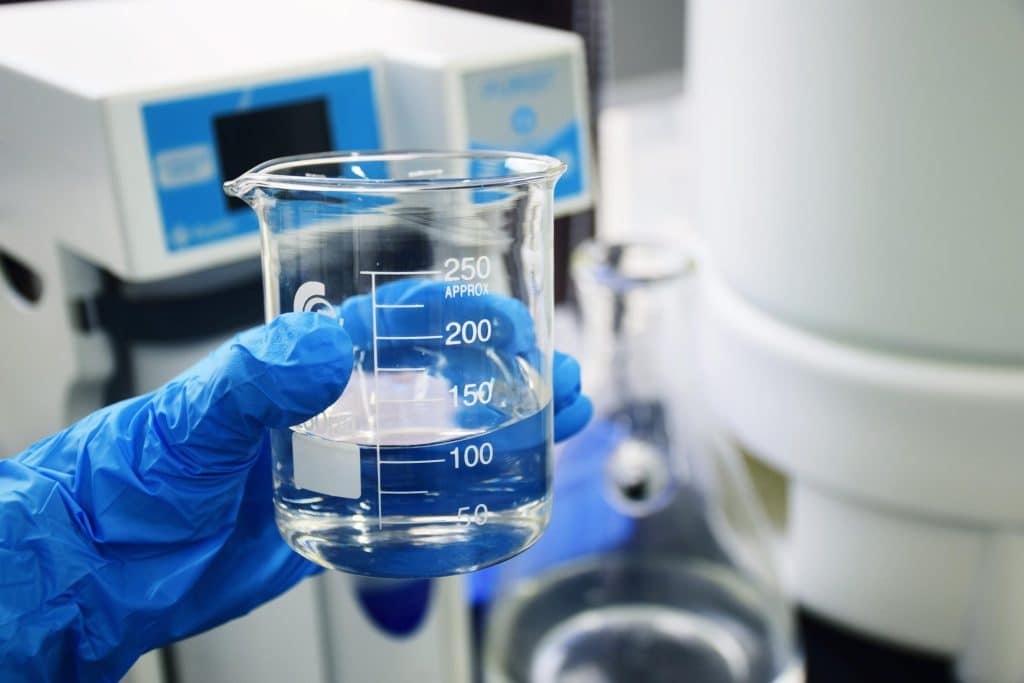
As of May 2026, the landscape of homeownership in New York City has undergone a significant shift in priorities. While aesthetic renovations and energy efficiency once dominated the conversation, Staten Island residents are now increasingly turning to NYC residential water testing specialists who perform comprehensive laboratory analysis of tap water samples to detect contaminants like lead, bacteria, and chemical pollutants, providing homeowners with detailed reports that identify specific water quality issues and recommend targeted filtration solutions to ensure their drinking water meets safety standards. This shift is being driven by a new generation of water testing companies that are moving beyond basic “pass/fail” metrics to provide a higher standard of residential analysis, offering homeowners the transparency and scientific rigor needed to make informed decisions about their household water quality.
The catalyst for this movement is a combination of aging infrastructure, evolving environmental awareness, and the implementation of the most stringent water safety regulations in decades.
The 2026 Shift: Why “Standard” Is No Longer Enough
The arrival of May 2026 marks the beginning of a more aggressive phase of the EPA’s Lead and Copper Rule Improvements (LCRI). Under these refined federal standards, the “action level” for lead has been lowered from 15 parts per billion (ppb) to 10 ppb. This change has sent a clear message to the market: the acceptable threshold for contaminants is shrinking, and the methods used to detect them must become more sophisticated.
For homeowners in locations like West Brighton or Clifton, where historic homes are the norm, these new standards have made “DIY” testing kits nearly obsolete. A color-changing strip that only registers lead at high concentrations is no longer a viable safety tool when the new regulatory benchmarks require precision down to a single digit.
Raising the Bar: What Professional Analysis Now Includes
Modern residential testing companies have responded to these pressures by offering comprehensive “intelligence packages” rather than just data points. This higher standard of analysis is defined by several key components that go far beyond what a standard home inspection covers.
1. High-Resolution Metal Detection
Unlike basic kits, professional water testing services utilize laboratory-grade instrumentation like ICP-MS (Inductively Coupled Plasma Mass Spectrometry). This allows for the detection of heavy metals including lead, copper, arsenic, and cadmium at the parts-per-trillion level. In 2026, this precision is essential for identifying “leaching trends” before they reach the new federal action limits.
2. Forensic Sampling Protocols
The standard for analysis has also improved in the way samples are collected. Professionals now use a tiered sampling approach to provide context to the data:
- The First-Draw Sample: Identifies lead or copper leached from the home’s own faucets and fixtures.
- The Flushed Sample: Evaluates the water quality coming from the city’s service lines after the internal plumbing has been cleared.
- Point-of-Entry (POE) Analysis: Tests the water as it enters the Staten Island properties, allowing homeowners to distinguish between street-side infrastructure issues and internal plumbing degradation.
3. Biological and Emerging Contaminant Profiles
With growing public concern over “forever chemicals” like PFAS and PFOS, the standard potability panel has expanded. Professional labs now routinely screen for a broader spectrum of synthetic organic compounds that are increasingly regulated under the Safe Drinking Water Act. Furthermore, advanced bacteriological screening for Legionella and coliform bacteria is now a common request for homes with complex filtration or large-scale storage systems.
Addressing “Last Mile” Water Quality Issues
One of the biggest water quality issues facing NYC residents is the “last mile” of distribution. Even if the city’s water leaves the treatment plant in pristine condition, its journey through miles of aging mains and into a home’s 50-year-old copper or galvanized pipes can change its chemistry.
Professional testing companies are now acting as consultants to help owners bridge this gap. By analyzing the “corrosiveness” of the water measuring pH, alkalinity, and mineral saturation experts can tell a homeowner if their water is actively “eating” their pipes. This level of insight allows for the targeted installation of corrosion inhibitors or specific filtration, rather than a generic, one-size-fits-all solution.
The Role of Certified Lab Documentation
In the 2026 real estate market, a certified lab report has become a high-value asset. Whether for a home sale, a mortgage requirement, or an insurance claim, the “Chain of Custody” provided by a professional testing company ensures the data is legally defensible and scientifically sound.
Many residents find that having a professional blog of their home’s water history provides significant peace of mind. It transforms water quality from an “invisible variable” into a documented, managed part of the home’s maintenance profile. For common questions about these requirements, homeowners often refer to a professional FAQ to understand the frequency of testing recommended for their specific neighborhood.
Conclusion
The era of taking water quality for granted is ending. On Staten Island, as across the rest of the country, the standard for residential analysis has been raised by necessity. Between the new 2026 federal lead thresholds and the complexity of modern plumbing, professional water testing is the only way to get the full picture.
By choosing a certified partner for your residential analysis, you are investing in more than just a lab result; you are investing in the long-term health of your family and the integrity of your property. If you are ready to move beyond basic testing and establish a true baseline for your home, contact our specialists for a comprehensive audit today. In 2026, better analysis is the foundation of a safer home.