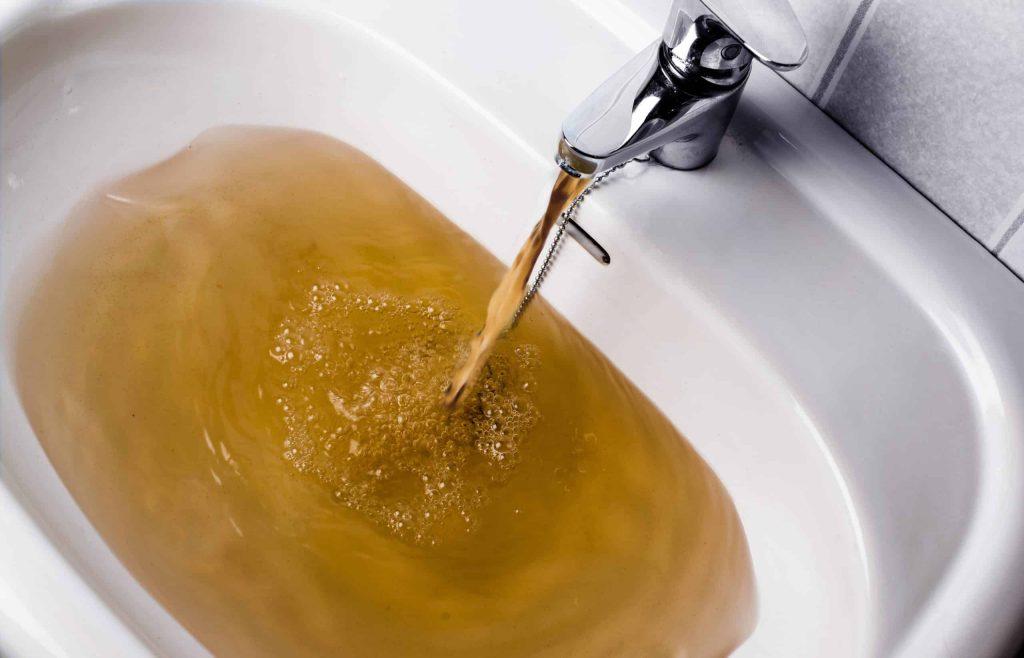
For many homeowners and business managers on Staten Island, the first sign of an iron issue is purely aesthetic: a reddish-brown stain on a porcelain sink, a metallic tang in a glass of water, or rust-colored streaks on freshly laundered clothes. When these symptoms appear, NYC heavy metal water testing specialists can identify the exact concentration of iron and other contaminants through laboratory analysis of your water supply, helping you understand whether levels exceed EPA guidelines and what treatment solutions will effectively remove these metals to restore water quality and protect your plumbing fixtures. It is easy to dismiss these warning signs as minor nuisances, the cost of doing business when living in an area with older infrastructure, but addressing iron contamination early prevents more serious damage and health concerns down the line.
However, when laboratory results confirm elevated iron levels, it is rarely just an appearance problem. Iron in your water supply acts as a diagnostic indicator for the overall health of your property’s plumbing, potentially signaling deeper, costlier issues that are silently developing behind your walls and beneath your floors.
The Silent Architect of Infrastructure Damage
While iron itself is a naturally occurring mineral and not typically a direct health hazard at common levels, its presence in your water is often a byproduct of internal pipe corrosion. When oxygen reacts with iron or steel piping, the metal literally begins to dissolve into the water. This process causes several cascading issues:
- Systemic Clogging: As iron oxidizes, it creates scale and sediment that builds up inside your pipes. Over time, this restricts water flow, forcing your water pressure to drop and putting unnecessary strain on pumps and fixtures.
- Appliance Efficiency Loss: High iron levels are a “silent killer” for household and commercial appliances. Water heaters, dishwashers, and washing machines often experience premature failure as internal heating elements become coated in iron-rich mineral deposits. This buildup can reduce appliance efficiency by up to 30%, leading to increased energy consumption and expensive emergency repairs.
- Encouraging Biological Growth: Iron is a food source for “iron bacteria.” These microorganisms thrive in iron-rich environments, producing a thick, slimy biofilm that can clog filters, foul water softeners, and create foul odors that standard filtration struggles to eliminate.
Beyond the “Secondary” Contaminant Label
The EPA classifies iron as a “secondary contaminant,” meaning guidelines are set based on aesthetics (taste, color, and odor) rather than direct health risks. However, this designation can be misleading for property owners.
If iron is present, it is often a sign that your Staten Island properties are experiencing active pipe deterioration. If you have older galvanized steel or iron piping, these iron findings are a warning that the structural integrity of your internal plumbing is being compromised. Ignoring these warnings can lead to pinhole leaks, pipe bursts, and the need for expensive, invasive repiping projects.
Turning Results Into Action
If your water testing services report shows elevated iron, it is time to move from “live with it” to “manage it.” A proactive approach can save you thousands in avoided repairs:
- Pinpoint the Source: Are your iron levels high throughout the whole property, or only at specific taps? A localized issue might point to a failing fixture, whereas a building-wide issue suggests a broader water quality issue or deep-seated pipe corrosion.
- Evaluate Your Chemistry: Iron is often more problematic in water with low pH (acidic water). A full analysis, including pH and hardness, helps determine if you need an iron-specific filter, a water softener, or a system to balance your water’s acidity.
- Consult with Experts: Because the solutions for iron—such as aeration, chemical oxidation, or specialized ion exchange—depend heavily on the type of iron present (ferrous vs. ferric), professional consultation is crucial to avoid installing the wrong equipment.
Protecting Your Investment
Your building’s plumbing is a critical asset. By treating iron findings as a diagnostic tool rather than just a laundry nuisance, you can extend the life of your appliances, maintain your water pressure, and protect your home or business from the silent damage of internal corrosion.
If you are concerned about what your water report means for your building’s long-term health, our FAQ offers further insight into how we interpret testing data, and our blog provides practical advice on maintaining water systems.
Don’t wait for a “visible” problem to turn into a costly repair. Contact us today to discuss your water quality results and develop a strategy to protect your property.
For those interested in technical standards, the EPA’s Secondary Drinking Water Standards provide the baseline for understanding why iron is monitored and how it affects the quality of life in your home.