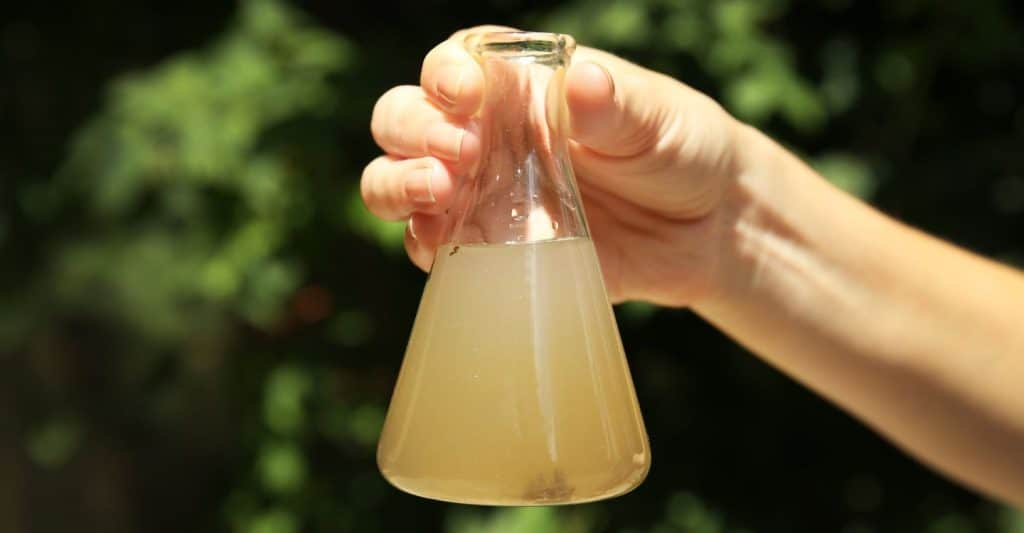
For many property owners on Staten Island, the word “copper” carries a sense of nostalgia. It brings to mind the sturdy, reddish-brown piping that has been a standard in residential and commercial plumbing for decades. When laboratory results reveal copper in your water supply, that nostalgia often shifts to concern, which is why consulting NYC copper water testing experts becomes essential, as these certified professionals collect samples from your taps, analyze copper concentration levels through advanced laboratory equipment, identify the exact sources of contamination whether from corroded pipes or water chemistry issues, and provide detailed reports with actionable remediation strategies to protect your health and ensure regulatory compliance. Understanding why copper appears in your water and what those results actually mean for your building is a vital part of proactive property management.
Why Copper Shows Up in Your Results
Copper is a common element, but it is not naturally abundant in the water supply in dangerous concentrations. When your water testing services report indicates elevated copper levels, it is rarely a sign of the water source itself being contaminated. Instead, it is almost always an indicator of internal system interaction.
The Role of Corrosion
Copper pipes are designed to last a long time, but they are not invincible. “Corrosion” is the process where the water chemistry slowly eats away at the interior wall of your plumbing. Several factors accelerate this:
- Low pH (Acidic Water): Water that is slightly acidic is the primary culprit. It aggressively leaches copper ions from the pipes and joints.
- High Flow Velocity: Water moving too quickly through your system can cause physical erosion of the pipe walls.
- Grounding Electrical Systems: Occasionally, if home electrical systems are improperly grounded to metal plumbing, it can cause electrolytic corrosion, rapidly degrading copper pipes.
Beyond the Numbers: Interpreting the Data
When you receive a water quality report, a single number might seem alarming, but context is everything. Property owners often look at the concentration of copper and immediately worry about the safety of their Staten Island properties. While safety is paramount, your results often tell a story about the age and health of your entire plumbing system.
If your copper levels are trending upward over several years of testing, it is a clear warning sign. It suggests that the “passivation layer”—the natural, protective coating that forms on the inside of healthy copper pipes—has been compromised. Once this layer is stripped away, the pipe continues to thin, eventually leading to pinhole leaks. These leaks often occur inside walls or under floorboards, leading to costly water damage and mold issues long before they become visible to the eye.
Managing Copper in Your Building
If testing reveals that your copper levels are creeping toward regulatory limits, you have several options. The key is to address the chemistry of the water rather than just replacing the pipes, which may simply result in the same problem happening again.
1. Water Treatment Solutions
If acidity is the cause, installing a chemical feed pump or a calcite filter can neutralize the water’s pH. By raising the pH to a more neutral level, you stop the leaching process at the source. This protects not only your pipes but also your fixtures and appliances.
2. Identifying Specific Water Quality Issues
Sometimes, copper leaching is exacerbated by the presence of other water quality issues. For instance, if your water is also high in dissolved oxygen or has high levels of certain chlorides, it can make the copper more susceptible to corrosion. A comprehensive test allows you to see the “full picture” of your water’s chemistry.
3. Monitoring High-Risk Areas
In larger commercial buildings, stagnant water is a major risk factor. Water that sits in long runs of copper piping over a weekend or during low-occupancy periods has more time to react with the metal. Implementing a flushing program or installing a circulation system can significantly reduce the amount of copper in your drinking water.
The Importance of Professional Guidance
Interpreting lab results requires more than a passing glance at the EPA guidelines. It requires understanding the local environment. Because our borough has such a diverse range of building ages, the causes of copper leaching in an older North Shore home may be completely different from those in a new construction project in Eltingville.
We encourage property owners to view water testing as a diagnostic tool. Much like a medical check-up, it provides the baseline data necessary to make decisions that will save you money and headaches in the future. If you are unsure how to interpret your latest results, or if you simply want to establish a health baseline for your property, our FAQ offers detailed information on what we look for during an inspection.
Are you concerned about what your water report means for your property? Contact us today to discuss your findings with a professional.