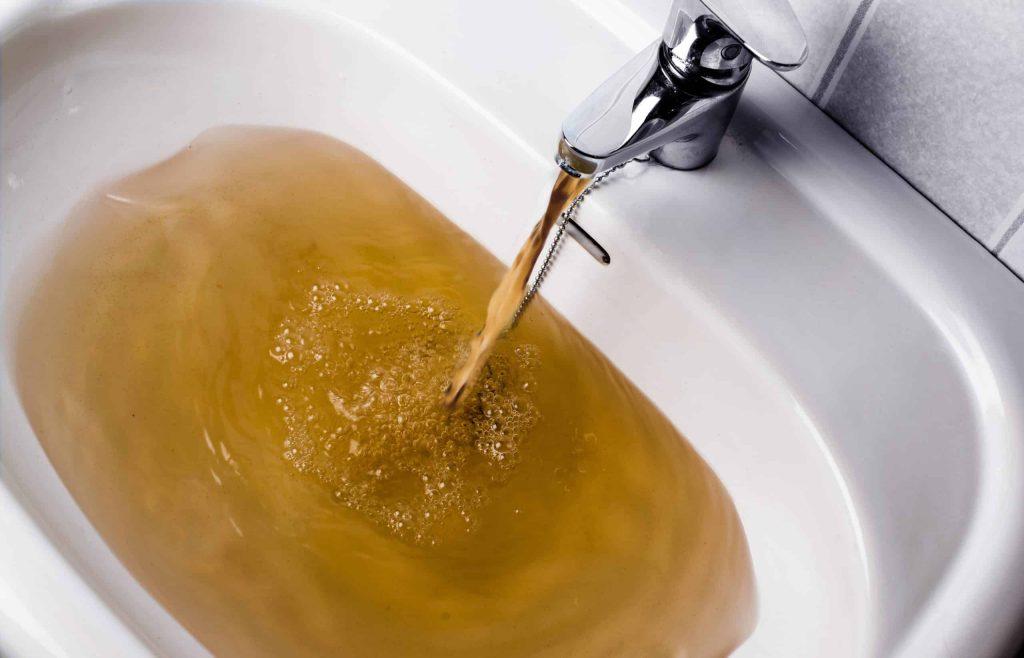
When brown water flows from a tap, the immediate reaction is often one of alarm. For residents and property managers, it’s a visible, unsettling disruption. Drinking water testing in the Bronx helps households respond to these warning signs with clarity, using certified lab analysis to determine whether the discoloration is caused by harmless sediment or something far more serious like lead, iron bacteria, or corroded pipes. However, far too often, the response is limited to “wait and see” or simple flushing. While temporary discoloration can be harmless, a brown water complaint is technically a diagnostic signal, a warning that the internal environment of your plumbing or the external municipal supply is undergoing a physical or chemical shift.
To effectively manage these complaints, we must move beyond cosmetic fixes and toward technical verification.
Understanding the Diagnostic Signal
Brown, orange, or tea-colored water is almost always the result of oxidized metals or suspended sediment. When these particles are disturbed, they become suspended in the water, changing its appearance. The technical challenge lies in identifying the source of that disturbance:
- External Disturbance: Municipal work, hydrant flushing, or water main repairs can stir up sediment that has settled in the city’s cast-iron mains. This typically affects entire blocks or neighborhoods and should be transient.
- Internal Corrosion: If the issue is isolated to your property—or even a specific wing or floor—it often points to the degradation of your own service lines or interior piping. Older galvanized steel or iron pipes are prone to internal “tuberculation” (the growth of rust nodules), which flakes off during pressure surges.
- Systemic Stagnation: In buildings with large storage tanks, booster pumps, or “dead-end” plumbing runs, water can sit for extended periods. This stagnation allows for the settling of minerals and the growth of biofilms, which can create a brownish or murky appearance when flow is finally reintroduced.
The Anatomy of a Technical Investigation
A robust response to a brown water complaint requires a structured “Follow-Through” protocol. Relying on anecdotes isn’t enough; objective data is required to determine the necessary corrective action.
1. Isolation and Zoning
The first step is determining the scope of the incident.
- Is it cold, hot, or both? If only hot water is brown, the problem is almost certainly sediment accumulation at the bottom of your water heater or storage tank.
- Is it isolated to one tap? This suggests a local fixture or branch-line issue (like a corroded aerator or local valve).
- Is it building-wide? This points to a main service line or municipal-side issue.
2. The “Flush-Test” Protocol
Before assuming the worst, a controlled flush should be performed. This involves running the cold water at a “pencil-thin” flow from the tap closest to the main water meter. If the water clears within 10–20 minutes, it confirms that the sediment was likely pulled from the city mains during a recent pressure event. If it does not clear, it indicates an ongoing source of contamination within the private infrastructure.
3. Professional Laboratory Analysis
When flushing fails to resolve the issue, professional water testing services become necessary. A targeted sample can differentiate between:
- Iron/Manganese: Naturally occurring minerals that indicate the need for a water conditioner or iron-specific filter.
- Lead/Copper: Metals that suggest active pipe corrosion, which requires more immediate structural intervention.
- Microbial Biofilms: Which may indicate the presence of iron-reducing bacteria, a common cause of “black” or “slimy” sediment in older pipes.
Why “Waiting it Out” Can Be Risky
While municipalities often suggest that brown water will “settle,” ignoring the underlying cause can have long-term consequences for your Staten Island properties.
- Appliance Damage: Sediment is abrasive. It can clog ceramic valves in modern faucets, foul washing machine intake screens, and significantly reduce the lifespan of water heaters.
- Structural Integrity: If the “brown water” is actually the byproduct of active internal pipe corrosion, you aren’t just looking at a water quality issue; you are looking at a system that is losing its structural integrity. Pinhole leaks are often preceded by periods of intermittent discolored water.
- Liability and Compliance: For commercial or multi-unit residential managers, documented water quality issues that go unaddressed can lead to tenant health concerns and potential regulatory scrutiny.
A Call for Proactive Maintenance
The best way to handle brown water is to prevent it through a proactive water quality management plan.
- Document and Log: Keep a record of every discoloration event. Knowing when it happens (e.g., after the morning spike in water use) is often the key to finding the cause.
- Annual Inspections: Don’t wait for a complaint. Periodic inspections of water heaters, booster pumps, and valve conditions can identify sediment buildup before it ever reaches your taps.
- Consult Experts: If you are experiencing recurring issues, contact us today to discuss a structured investigation. We help property owners turn vague complaints into specific, actionable technical plans.
For further insights into maintaining the health of your building, browse our blog or check our FAQ for guidance on identifying the signs of aging infrastructure.