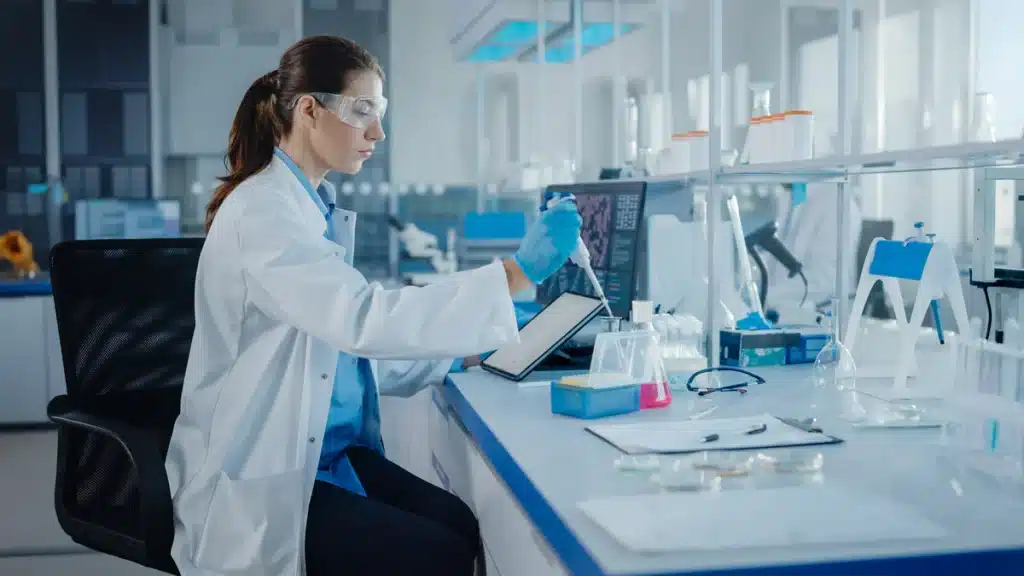
When homeowners across Staten Island consider the safety of their tap water, the conversation almost instinctively gravitates toward heavy metals. Certified bacteria water testing in NYC is a comprehensive laboratory service that identifies harmful microorganisms like E. coli, coliform bacteria, and other pathogens in drinking water through precise microbiological analysis, providing homeowners with accurate results and actionable recommendations to ensure their water is safe for consumption. Lead, copper, and the recent headlines surrounding “forever chemicals” (PFAS) dominate the public consciousness. While these chemical concerns are undoubtedly critical, there is a silent, microscopic variable that often gets sidelined in standard home inspections: bacteria.
In the landscape of 2026, bacterial water testing deserves far more respect than it currently receives in residential maintenance programs. Whether you live in a historic Victorian in St. George or a modern coastal home in Tottenville, the microbiological health of your water is a dynamic, high-stakes factor that can change overnight.
The Invisible Variable: Why Bacteria is Often Overlooked
Chemical contaminants like lead are relatively “static” if you have lead pipes, the risk is constant and predictable. Bacteria, however, are opportunistic and transient. Because New York City’s municipal water is treated with chlorine to kill pathogens, many residents assume their tap water is a sterile environment.
However, the journey from the city’s massive distribution mains into Staten Island properties involves miles of localized piping, storage tanks, and internal plumbing fixtures. It is in this “last mile” that the protective chlorine residual can dissipate, allowing biofilms to form and bacteria to flourish. By the time the water reaches your glass, it may no longer be as pristine as it was at the treatment plant.
The Common Culprits: Beyond E. Coli
When people hear “bacterial testing,” they often think of E. coli or total coliforms, which are indicators of fecal contamination. While these are essential benchmarks for water quality issues, a truly “serious” residential program looks at a broader spectrum of biological risks.
1. Heterotrophic Bacteria (HPC)
Heterotrophic Plate Counts (HPC) measure a wide range of bacteria that naturally occur in water. While most are not harmful to healthy individuals, high HPC levels indicate that the water system is stagnant or that the disinfectant is no longer working. In 2026, as more residents adopt hybrid work schedules, water sits in home pipes longer than ever before, creating the perfect conditions for HPC levels to spike.
2. Legionella in the Home
Traditionally viewed as a “commercial” or “cooling tower” problem, Legionella is increasingly being recognized as a residential risk. Bacteria can colonize in water heaters set to lower temperatures (to prevent scalding) or in complex shower systems and humidifiers. Professional water testing services now include Legionella screening for homes with high-end mechanical systems, providing a level of protection that a standard lead test simply cannot.
The 2026 Regulatory and Infrastructure Context
As of May 2026, the NYC Department of Environmental Protection (DEP) has reported an increase in localized water main repairs across the borough. Every time a water main is opened for repair common in locations like West Brighton and Great Kills there is a risk of environmental bacteria entering the system.
While the city performs “slug chlorination” and flushing after repairs, the sudden change in pressure can jar loose biofilms inside your home’s own service lines. This is why bacterial testing should be a standard follow-up whenever major utility work occurs on your block.
Furthermore, the Centers for Disease Control and Prevention (CDC) continues to emphasize that homeowners are the “last line of defense” for their internal plumbing safety. Relying solely on city-wide reports ignores the unique biological profile of your specific house.
Why “Wait and See” is a Dangerous Strategy
The most common reason bacterial testing is ignored is that, unlike “rusty” water or hard water scale, bacteria are usually tasteless, odorless, and colorless. A family might be consuming elevated levels of bacteria for months without a single sensory warning sign.
- Vulnerable Populations: For households with infants, elderly residents, or immunocompromised individuals, even “nuisance” bacteria can lead to gastrointestinal distress or respiratory issues.
- The “Biofilm” Factor: Once bacteria establish a biofilm inside your pipes, they are incredibly difficult to eradicate. Biofilms act as a protective “slime” that shields pathogens from routine chlorine, meaning a one-time flush might not solve a deep-seated biological problem.
Integrating Biology into Your Residential Program
So, how does a homeowner give bacterial testing the respect it deserves? It starts with moving away from a “once-and-done” mentality and toward a proactive water testing schedule.
- Annual Potability Audits: At least once a year, your water should be screened for total coliform and HPC. This establishes a “healthy baseline” for your home.
- Post-Repair Verification: If you have had a major plumbing repair or the city has worked on your street’s water main, a bacterial check ensures no contaminants were introduced during the process.
- Water Heater Maintenance: Since the water heater is the “incubator” of the home, testing the hot water separately can reveal if your tank needs professional flushing or a temperature adjustment.
For many homeowners, the technical details can be overwhelming. Reading through a professional blog or checking a neighborhood-specific FAQ can help clarify which biological markers are most relevant to your property’s age and location.
The Role of Certified Laboratory Analysis
In 2026, the market is flooded with “smart” home sensors that claim to monitor water quality. While these are great for detecting leaks or total dissolved solids (TDS), they cannot identify bacteria. Biological analysis requires an ELAP-certified laboratory where samples are incubated and studied under controlled conditions.
A professional audit ensures that the “Chain of Custody” is maintained meaning the sample hasn’t been contaminated by the person taking it. This is why DIY kits from big-box stores often yield “false positives” or, more dangerously, “false negatives.” When it comes to pathogens, the precision of a certified lab is non-negotiable.
Conclusion: A Holistic View of Safety
We are living in an era where we monitor everything from our heart rates to our home security via our phones. It is time we applied that same level of rigor to the biological safety of our water. Bacterial testing isn’t just an “add-on” for people with private wells; it is a fundamental requirement for anyone living in a modern urban environment with aging infrastructure.
By giving bacterial testing the respect it deserves, you are looking past the “visible” issues and addressing the core health of your home. It is an investment in peace of mind that pays dividends every time you turn on the tap.
If you haven’t had a biological screen of your water recently, now is the time to act. Contact our team to discuss a comprehensive potability panel that treats the microbiological health of your home as a top priority. In the “Borough of Parks,” let’s make sure our indoor environment is as healthy as our outdoor spaces.