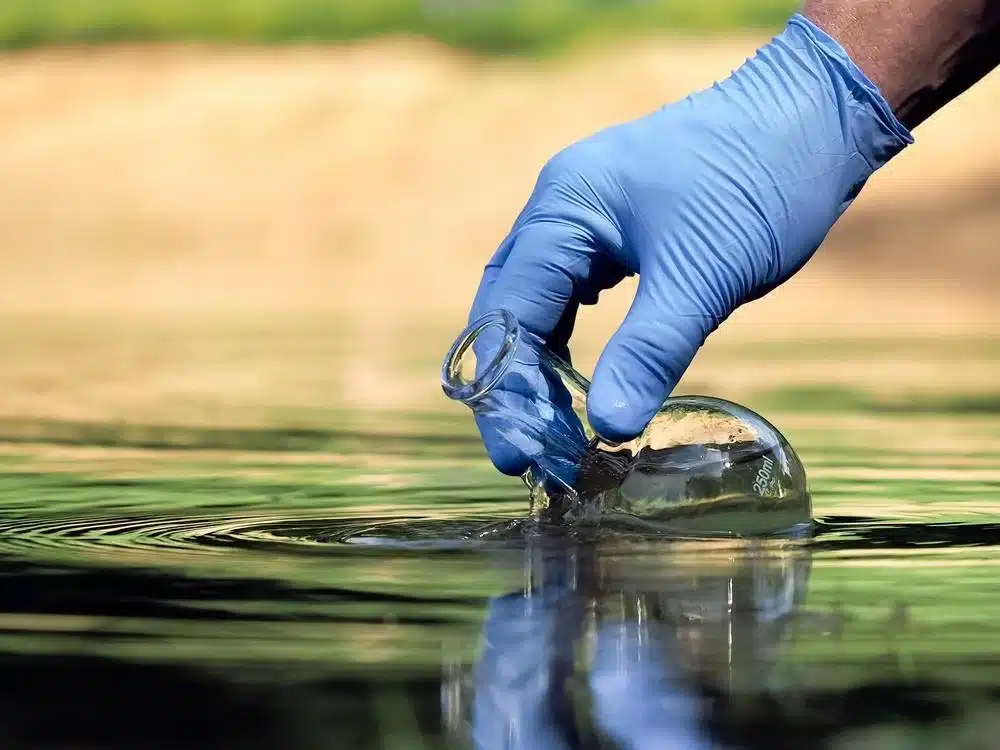
While lead and copper frequently dominate the conversation around water safety on Staten Island, another formidable inorganic contaminant remains a critical part of any comprehensive water quality assessment: arsenic. Professional heavy metal water testing in NYC identifies the presence and concentration of arsenic and other toxic metals through laboratory analysis of water samples, helping homeowners understand contamination risks, meet regulatory standards, and take corrective action to protect their health. As of May 2026, new regulatory clarifications from the New York State Department of Health have reaffirmed that arsenic testing is not just a legacy concern but a vital component of modern residential diagnostics.
In the complex landscape of Staten Island’s water quality issues, arsenic represents a unique risk. It is odorless, tasteless, and colorless, making it impossible to detect without professional, high-resolution laboratory analysis.
The 2026 Regulatory Environment: Zero is the Goal
In 2026, the Maximum Contaminant Level (MCL) for arsenic in drinking water remains at 10 parts per billion (ppb), as established by the EPA. However, professional water analysts often look toward the Maximum Contaminant Level Goal (MCLG), which for arsenic is zero. This is because arsenic is a known human carcinogen with cumulative health effects that can take years or even decades to manifest.
For homeowners in older Staten Island properties, relying on municipal reports is only half the battle. While the city’s source water is treated to meet these standards, localized factors can still impact the levels at your specific tap.
Why Arsenic Remains a Factor on Staten Island
Staten Island’s unique mix of historic industrial zones, geological diversity, and aging infrastructure creates several pathways for arsenic to enter the residential supply:
- Geological Deposits: Arsenic is a naturally occurring element in certain rock formations. As groundwater moves through the earth, it can dissolve arsenic and carry it into the supply. This is particularly relevant for the few remaining private wells in more secluded locations of the borough.
- Industrial and Agricultural Legacy: Historical tanneries, metal refineries, and the use of arsenic-based pesticides in the island’s former farmlands have left a “chemical footprint.” While these industries are long gone, the residue can still impact localized soil and groundwater conditions, potentially affecting older service lines.
- Plumbing Components: Although less common than lead, some older brass fixtures and galvanized pipes can contain trace amounts of arsenic that leach into the water during periods of stagnation.
The Health Implications of Chronic Exposure
The danger of arsenic is its “silent” nature. Chronic, low-level exposure even at levels slightly above the 10 ppb threshold is linked to significant long-term water quality risks.
- Carcinogenic Risks: Long-term ingestion is linked to cancers of the skin, bladder, lungs, and kidneys.
- Cardiovascular and Neurological Effects: Even at trace levels, arsenic can contribute to high blood pressure and, in developing children, can impact cognitive function and neurological development.
By including arsenic in a comprehensive water testing panel, homeowners are taking a proactive stance against these invisible health threats.
Moving Beyond Simple “Potability”
A professional analysis in 2026 doesn’t just check for a “pass” or “fail.” It provides the high-resolution data needed to understand your home’s specific profile. If a test detects arsenic at 4 ppb, you are technically “in compliance,” but a consultant will tell you that this level is high enough to warrant the installation of a targeted filtration system, such as Reverse Osmosis or specialized adsorption media.
This level of detail is a hallmark of modern water testing services. It empowers homeowners to make informed decisions about their home’s filtration technology before a regulatory limit is even breached.
Conclusion
In the heart of Staten Island, where our homes are our sanctuaries, no variable should be left to chance. Arsenic may not make the headlines as often as lead in 2026, but its potential impact on long-term health is just as significant. Including it in your annual water audit ensures that you are looking at the complete picture of your family’s safety.
To stay updated on localized health advisories, explore our blog or consult our FAQ for advice on interpreting inorganic chemical reports. When you are ready for a definitive look at your home’s water, contact our team for a professional analysis. In 2026, real safety is found in the details.
How does your neighborhood’s specific industrial or geological history change the priority you give to inorganic contaminants like arsenic?