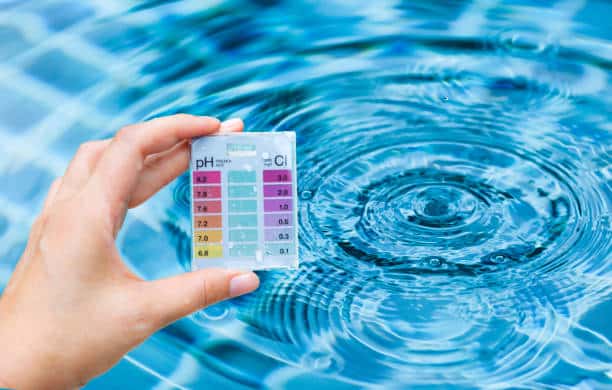
For many homeowners, the process of testing home water often begins and ends with a generic, off-the-shelf test kit or a single, rushed sample sent to an anonymous lab. While the intention—ensuring the safety of your family’s water—is commendable, this “grab-and-go” approach frequently leads to frustration. You may get a result that doesn’t answer your real questions, or worse, you may miss the actual source of a problem because the testing wasn’t designed to find it.
In the world of professional water testing services, the secret to useful results isn’t just the lab equipment—it’s the scope. By defining the parameters of your analysis before you ever collect a sample, you transform a generic data report into a practical, actionable roadmap for your home’s maintenance.
Why “Scope” Matters More Than You Think
A “scope” is essentially the strategy behind your testing. It answers the fundamental question: What are we actually looking for, and why? Without a defined scope, you are essentially “fishing” for data. With a defined scope, you are performing a professional diagnostic.
1. Identifying the Root Cause, Not Just the Symptom
If you have noticed reddish staining on your porcelain fixtures or a persistent metallic tang in your tap water, a broad, generic test might simply report “elevated iron.” But that result is incomplete. It doesn’t tell you where the iron is coming from. Is it naturally occurring in the water source, or is it a byproduct of your home’s aging internal plumbing corroding from the inside out?
A defined scope allows you to strategically collect samples—such as comparing “first-draw” water (water that has sat stagnant in your pipes overnight) versus “flushed” water (water that has run for several minutes). This comparison is often the only way to pinpoint whether the contamination is originating from the municipal supply or from your own home’s piping.
2. Matching Solutions to the Problem
One of the most common pitfalls in residential property management is spending thousands of dollars on the wrong treatment system. If you haven’t scoped your testing correctly, you might install a water softener to fix a perceived “hardness” issue, only to realize later that the real problem was actually acidic, corrosive water damaging your pipes. A well-defined scope ensures that the data you receive directly informs the most effective, budget-friendly solution for your specific household needs.
3. Creating a Baseline for the Future
A defined scope creates a consistent “baseline” for your home. By testing the same parameters at the same points in your plumbing network, you can track trends over time. This is invaluable for Staten Island properties, where aging infrastructure can lead to gradual, silent changes in water quality that might otherwise go unnoticed until a pipe failure or major appliance breakdown occurs.
Building Your Testing Scope
When you’re ready to analyze your home’s water, start by answering a few key questions to help build your scope. This process is about moving from “I wonder if my water is okay” to “I am verifying the health of my plumbing system.”
- What is the Source? Are you on a private well or a municipal water system? Well water typically requires a broader scope to account for potential contaminants like naturally occurring heavy metals, nitrates from local runoff, and bacteria that municipal systems generally treat before delivery.
- What Are the “Nuisance” Indicators? Pay attention to the physical signs. Is your water cloudy? Does it have an “off” smell? Do you see blue-green stains on your faucets? These specific indicators act as breadcrumbs that should guide the scope of your laboratory tests.
- What Is Your Goal? Are you testing for peace of mind regarding your family’s long-term health, or are you preparing for a major plumbing renovation? A renovation project requires a different scope—focused on pipe material integrity, pH balance, and corrosion indicators—than a simple annual health check.
The Role of Professional Expertise
The reason professional analysis is the definitive standard in the industry is that it provides context. A lab report isn’t just a list of numbers; it’s a narrative about your building. By partnering with experts who understand the unique water quality issues common to our area, you can cut through the noise of generic data.
For example, our team often works with homeowners to interpret results within the context of the neighborhood’s era of construction. A home built in the early 20th century has a vastly different “plumbing history” than a modern build, and the scope of our testing reflects those differences. We help you look at your home’s history, your known plumbing materials, and your usage patterns to design a testing plan that captures the most important data for your specific situation.
Moving Toward Proactive Management
If you are currently frustrated by recurring issues—like persistent leaks, strange tastes, or failing appliances—or if you simply want to establish a health baseline for your property, don’t leave it to guesswork.
For those looking to get started, our FAQ provides excellent guidance on common testing questions and what different results actually mean for your daily life. You can also explore our blog for more tips on maintaining your plumbing system as your home continues to age.
Trusting the Data
Ultimately, residential water analysis is about confidence. When you build the scope first, you stop treating water testing as a chore and start treating it as a strategic investment. You gain the ability to make informed decisions—whether that means choosing the right filtration system, prioritizing a pipe replacement, or simply knowing that your home’s water is as safe as it can be.
If you are ready to stop guessing and start knowing, our locations page can help you find the support you need. Don’t waste time and money on generic results that don’t solve your specific problems. Contact us today to discuss your home’s specific needs and build a testing scope that finally gives you the answers you need.
For broader industry standards and best practices in water quality management, you can refer to the Environmental Protection Agency (EPA) resources on drinking water, which provide the foundation for understanding what safe, high-quality water looks like for your household.