New Dorp is a neighborhood defined by its rich history. From its origins as a 17th-century Dutch settlement to its growth as a hub for the Vanderbilt family and its eventual transformation into a quintessential Staten Island suburb, the community has seen generations of architectural evolution. As these historic and mid-century buildings age, drinking water testing for buildings in NYC has become essential for property owners, as it identifies contaminants like lead, copper, and bacteria that leach from deteriorating pipes, analyzes water samples through certified laboratory methods, and provides detailed reports that help building managers take corrective action to ensure safe, compliant water for residents. However, beneath the classic colonial facades and the post-war bungalows that line the streets of New Dorp lies a hidden infrastructure that is beginning to show its age: our plumbing systems.
As these buildings reach and exceed several decades of service, the “long-term plumbing change”—the gradual transition from original 20th-century materials to modern standards—is becoming a critical concern for property owners.
The Evolution of Building Infrastructure
The history of Staten Island properties in neighborhoods like New Dorp often mirrors the broader evolution of construction materials. Homes built in the early-to-mid 20th century frequently utilized galvanized steel for water supply lines. While durable for its time, galvanized steel has a predictable lifespan; as the zinc coating wears away over 50 to 70 years, the underlying iron begins to rust, leading to internal scaling that narrows pipe diameters and compromises water pressure.
Many homes later transitioned to copper or even early plastics during renovations. While these materials were significant upgrades, they are now reaching the upper limits of their own intended lifespans. This creates a “bottleneck” effect where different segments of a building’s plumbing might be of vastly different ages and material compositions, complicating maintenance and increasing the risk of localized failures.
Common Indicators of Aging Systems
For homeowners and property managers in New Dorp, the signs of an aging plumbing system often manifest subtly before they result in a major repair bill. Recognizing these symptoms is the first step in avoiding the costly consequences of neglect:
- Pressure Fluctuations: If your shower flow feels weaker than it used to, or if appliances like dishwashers take longer to fill, it may not be a municipal supply issue. Instead, it is often a sign of internal mineral buildup (scaling) within your home’s aging pipes.
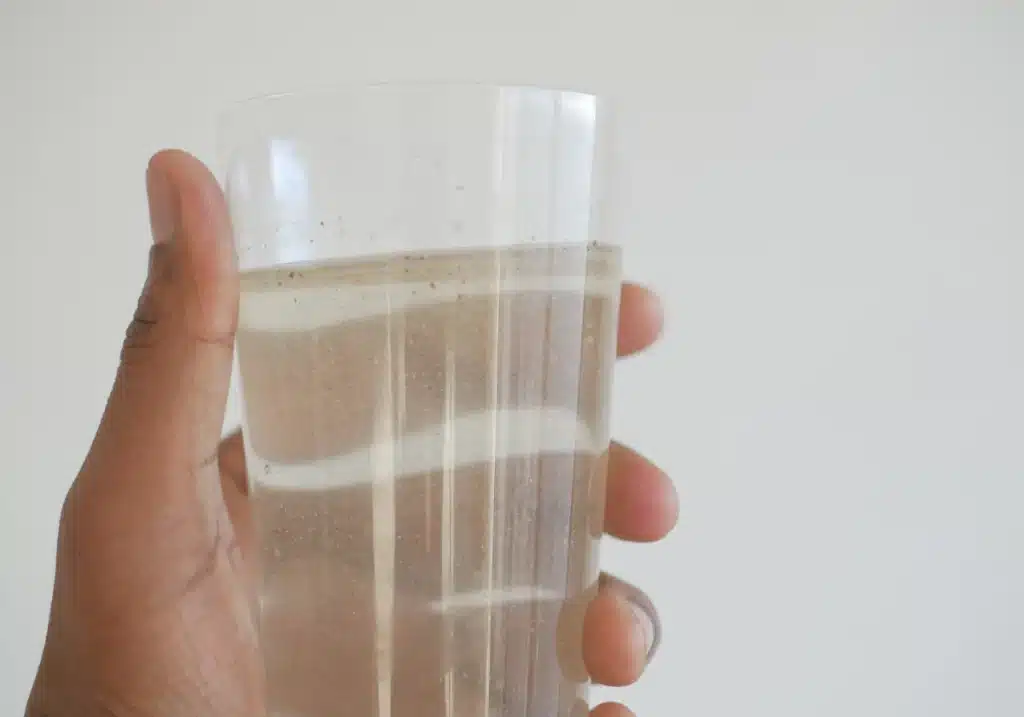
- Discolored Water: A rusty or yellowish tint at the tap is a hallmark sign that your iron or galvanized pipes are corroding from the inside out. This isn’t just an aesthetic issue; it can damage expensive appliances and fixtures.
- Persistent Leaks: If you find yourself repeatedly repairing the same faucets or valves, you are likely experiencing the symptoms of a “failing system” rather than just a faulty part.
- Musty Odors: Hidden, slow-moving leaks behind walls or in crawl spaces can create moisture pockets, leading to mold growth that impacts your indoor air quality.
The Importance of Understanding Your Water Chemistry
The degradation of plumbing materials is not just a function of time—it is a chemical process. The water quality issues present in your specific area of Staten Island can accelerate the wear on your pipes. For example, if your local water profile has a slightly lower pH (acidic water), it can aggressively leach minerals from copper pipes, leading to “pinhole leaks” that are notoriously difficult to detect until they cause structural damage.
This is why professional water testing services are so valuable for New Dorp residents. By understanding the chemical composition of your water, you can make informed decisions about whether you need to install a water softener, a pH-balancing filter, or simply schedule a targeted inspection of your piping.
Proactive Management vs. Emergency Repair
In a neighborhood as established as New Dorp, the “if it isn’t broken, don’t fix it” approach is often a recipe for financial stress. Because most piping is concealed behind walls or beneath flooring, the cost of a catastrophic pipe failure—involving water damage restoration and drywall repair—is exponentially higher than the cost of a managed, phased update.
If you are concerned about the state of your home’s plumbing, we recommend a few simple steps:
- Baseline Testing: Schedule an assessment to understand what is currently flowing through your system.
- Inspect High-Risk Points: Check the areas where different pipe materials meet (such as where old galvanized lines were connected to newer copper lines during a previous owner’s renovation), as these junctions are prime spots for electrolysis and corrosion.
- Review Our Resources: For answers to common questions about pipe longevity and testing, check out our FAQ or browse our blog for more tips on maintaining your property’s health.
Partnering with Local Experts
New Dorp’s architectural history is something to be preserved, and that includes the integrity of the buildings themselves. By staying informed about the effects of long-term plumbing changes, you can ensure that your home remains a safe and efficient space for years to come.
Whether you’re dealing with the quirks of a century-old home or managing a modern facility, we are here to provide the local expertise you need. Contact us today to learn more about how we can help you protect your investment, or visit our main locations page to see how we support neighborhoods across the entire borough.
For additional information on maintaining the long-term integrity of residential water systems, you can review the Environmental Protection Agency (EPA) guidelines on private water systems and infrastructure maintenance.