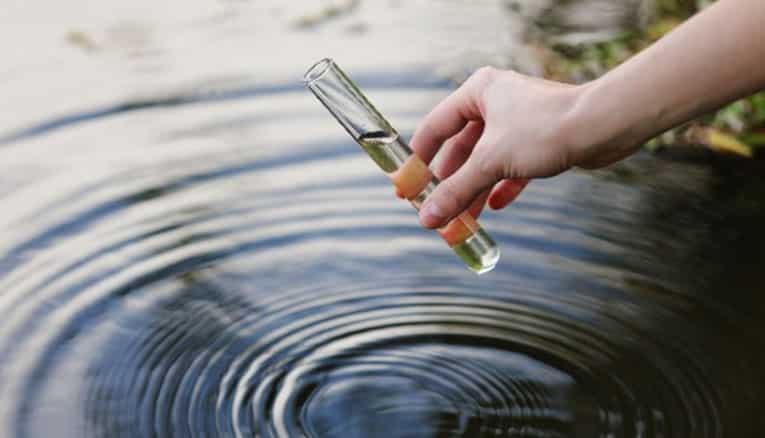
For many residents across Staten Island, from the historic Victorians of St. George to the mid-century ranches of Eltingville, a glass of water is more than just a refreshment—it is the final product of the home’s infrastructure. Tap water quality testing in NYC helps homeowners identify contaminants like lead, copper, and bacteria by analyzing samples collected directly from household faucets, providing detailed lab reports that reveal whether aging pipes or plumbing fixtures are compromising water safety, and empowering residents to take corrective action before health issues arise. While New York City’s municipal water is world-class at its source, the “last mile” of its journey involves a complex network of residential pipes. In 2026, homeowners are increasingly realizing that most water quality issues don’t start at the reservoir; they start behind the walls.
Understanding the relationship between your plumbing and your water is essential for maintaining a healthy household. On Staten Island, where housing stock spans over a century, the questions often begin with the material of the pipes themselves.
The Hidden Impact of Aging Service Lines
The most critical connection in any home is the service line the pipe that brings water from the city main into your property. As of May 2026, New York City has accelerated its efforts to identify and replace these lines. Under Intro 0870-2026, a newly introduced bill, property owners are facing stricter requirements to certify their service lines as lead-free within the next decade.
For Staten Island properties, this is a major transition.
- Lead Pipes: Common in homes built before 1961, these “lead straws” are the primary source of heavy metal exposure.
- Galvanized Steel: Found in many mid-century builds, these pipes eventually corrode, leading to low pressure and “rusty” water that can trap other contaminants.
- Copper with Lead Solder: Even if your pipes are copper, homes built before 1987 may still have lead-based solder at every joint.
Professional water testing is the only way to determine if your service line is actively contributing to your water’s chemical profile.
Why Seasonal Changes Affect Your Tap
Staten Island’s climate plays a significant role in how plumbing affects water quality. During the colder months of early 2026, uninsulated pipes are vulnerable to freezing, which can cause micro-fissures. Even a small leak can allow soil contaminants or bacteria to enter the system through a process known as “back-siphonage” during pressure drops.
Conversely, the heat of the coming summer can cause soil to shift, stressing underground lines. This environmental “wear and tear” means that the locations of your plumbing whether buried deep or exposed in a crawlspace impact the stability of your water quality throughout the year.
Identifying Internal vs. External Issues
When a resident notices a metallic taste or a cloudy appearance, the first question is always: “Is it the city or is it me?” Professional water testing services provide the clarity needed to answer this.
- The Flush Test: If the water clears after running the tap for two minutes, the problem is likely internal stagnation within the home’s pipes.
- The First-Draw Test: If the very first cup of water in the morning shows high lead levels but the second cup does not, the source is likely a specific fixture or faucet.
- The Sediment Pulse: If discoloration occurs across all fixtures simultaneously, it may indicate city-side water main work or a fire hydrant opening nearby.
By understanding these patterns, homeowners can avoid expensive, unnecessary repairs and focus on targeted solutions like point-of-use filtration or fixture replacement.
Maintenance as a Safety Tool
In 2026, the standard for home maintenance has moved beyond just fixing leaks. It now includes “water intelligence.” Many residents are using a blog of their annual test results to monitor the health of their water heaters and filtration units.
For example, a failing water heater can introduce sediment and bacteria into the hot water lines, leading to “smelly” water in the shower. Regular flushing of the tank and professional analysis can prevent these issues from escalating into a full system failure. For common questions on how often to check these components, many turn to an expert FAQ for guidance tailored to the local Staten Island environment.
Conclusion
The quality of the water in your glass is only as good as the pipes it traveled through to get there. On Staten Island, our diverse plumbing history means that every home has a unique water profile. By starting your water quality journey with a look at your plumbing, you can make smarter decisions for your family’s health and your home’s value.
If you suspect your plumbing is impacting your water, don’t wait for a visible sign of trouble. Contact our team today to schedule a comprehensive audit. In 2026, being a responsible homeowner means knowing exactly what’s happening behind your walls and at your tap.