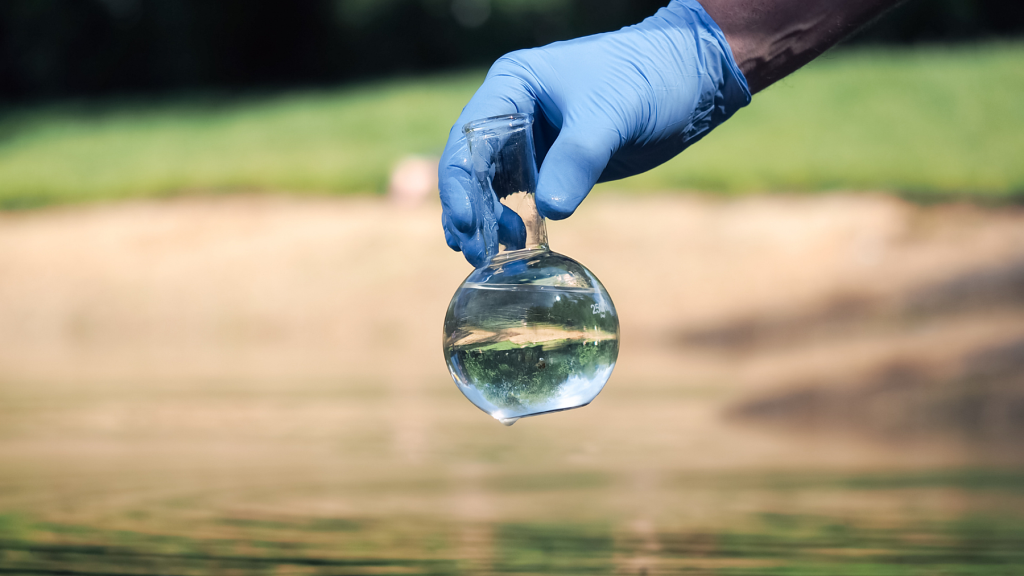
For many homeowners across Staten Island, the motivation to test their water begins with a simple question: “Is my water safe?” An NYC accredited water testing laboratory provides comprehensive analysis by collecting samples, examining them using advanced diagnostic equipment to detect contaminants like lead, bacteria, and chemical pollutants, delivering detailed reports that help residents understand exactly what’s in their water and take informed action to protect their health. While a “yes” or “no” answer, often referred to as a “passing result,” remains the primary goal, it only scratches the surface of what a professional analysis provides. In 2026, the landscape of residential water safety has evolved. Homeowners are no longer satisfied with the bare minimum; they are seeking the deep technical insights that only certified laboratories can deliver.
A certified laboratory does not just look for contaminants; it provides a comprehensive chemical and biological roadmap of your home’s most vital resource. For residents managing Staten Island properties, this level of detail is the difference between guessing and knowing.
The Myth of the “Binary” Result
In the world of DIY home kits, results are often binary. A test strip turns a certain color to indicate lead is present, or a vial changes hue to signal bacteria. However, water quality exists on a spectrum. A “passing” result according to a basic kit might overlook low-level concentrations of heavy metals or chemical imbalances that, over time, can damage your health or your home’s infrastructure.
Certified water testing utilizes high-precision instrumentation, such as Inductively Coupled Plasma Mass Spectrometry (ICP-MS), to detect substances at the parts-per-billion (ppb) or even parts-per-trillion (ppt) level. This precision is essential because modern health standards, including those recently updated by the Environmental Protection Agency (EPA), are increasingly focused on the cumulative effects of long-term exposure to trace amounts of contaminants.
What a “Passing” Result Doesn’t Tell You
A simple pass/fail grade lacks the context necessary for proactive home management. Here is what a certified laboratory analysis provides that a basic result misses:
1. Trend Analysis and Baselines
Water quality is dynamic. It changes based on the season, local construction, and the aging of city mains. A certified report establishes a baseline. If your lead levels are at 2 ppb today, you “pass.” However, if a test next year shows 8 ppb, you are still “passing,” but a professional will identify a troubling trend. This “intelligence” allows you to investigate your plumbing before a minor issue becomes a health crisis.
2. Identifying “Aggressive” Water
Your water might be perfectly safe to drink but “aggressive” toward your plumbing. By measuring pH, alkalinity, and calcium carbonate levels, a laboratory can determine the Langelier Saturation Index (LSI) of your water. If your water is undersaturated, it will actually “eat” the metal from your pipes to reach equilibrium. This leads to pinhole leaks and the leaching of copper and lead. A passing result for lead doesn’t tell you that your water chemistry is currently destroying your pipes.
3. Understanding Interference
Sometimes, one substance in your water can mask the presence of another, or interfere with the effectiveness of your filtration. For example, high levels of iron can “foul” a water softener or an ultraviolet (UV) purification system. Professional water testing services identify these interferences, ensuring that any treatment you install actually works as intended.
The 2026 Regulatory Context on Staten Island
As of May 2026, New York State has implemented stricter reporting requirements for residential water providers and testing facilities. This shift is part of a broader effort to address water quality issues related to legacy infrastructure and emerging contaminants.
For homeowners in locations like St. George or Stapleton, where older service lines are common, these new standards make professional certification even more valuable. A lab report from an ELAP-certified (Environmental Laboratory Approval Program) facility carries legal weight. It is a document that can be used for insurance claims, real estate disclosures, and as a verified record of your home’s safety.
The Role of Expert Interpretation
Perhaps the most significant value a certified lab offers is the expertise of the people behind the data. Raw data can be confusing. Does 0.015 mg/L of copper matter? Is a nitrate level of 5 mg/L high for a house in Tottenville?
Professional analysts provide the context. They understand the local geology of Staten Island and the specific nuances of the NYC Department of Environmental Protection (DEP) distribution system. When you receive a report, you aren’t just getting numbers; you are getting a consultation. You can often find answers to common data-related questions on a FAQ page, but a personal audit provides a customized roadmap for your specific property.
Beyond Health: Protecting the Home’s “Internal Organs”
We often think of water testing in terms of what we ingest, but your home’s “organs” the water heater, the dishwasher, the boiler, and the luxury shower system are also “drinking” that water.
- Scale and Efficiency: A certified lab identifies the exact hardness minerals in your water. This allows you to calibrate your appliances. Modern high-efficiency boilers can lose significant efficiency with even a 1/16th-inch layer of scale buildup.
- Appliance Longevity: By identifying corrosive elements or high sediment levels, you can install the right point-of-entry (POE) filtration, potentially adding five to ten years to the life of your major appliances.
Establishing Trust in Real Estate
In the 2026 Staten Island real estate market, transparency is the ultimate currency. Buyers are more educated and more skeptical than ever before. Providing a “passing result” from a DIY kit during a home sale is often viewed with suspicion.
However, providing a comprehensive report from a certified laboratory establishes immediate trust. It shows that the seller has been a diligent steward of the property. For buyers, it removes a major “unknown” from the transaction. This level of professional blog of data is becoming a standard part of the closing package for premium properties across the borough.
The Process: What to Expect
When you move beyond basic testing, the process is designed for maximum accuracy:
- Sampling Protocol: Professionals use specific containers and “preservatives” to ensure the sample doesn’t change between your tap and the lab.
- Chain of Custody: Every sample is tracked and signed for, ensuring the integrity of the results.
- Comprehensive Reporting: You receive a multi-page document that compares your results against Federal (EPA) and State (DOH) Maximum Contaminant Levels (MCLs).
Conclusion: Data as Peace of Mind
In an age of information, there is no reason to settle for a “maybe” when it comes to your family’s water safety. A “passing result” is the beginning of the conversation, not the end. Certified water laboratories provide the depth, context, and precision required to manage a modern home on Staten Island.
By investing in professional analysis, you are investing in the longevity of your plumbing, the value of your property, and the health of your loved ones. If you have questions about your water’s specific profile, don’t rely on a color-changing strip. Contact a specialist who can provide the certified results you deserve. In Staten Island, where our homes are our sanctuaries, knowing the truth about your water is the ultimate peace of mind.