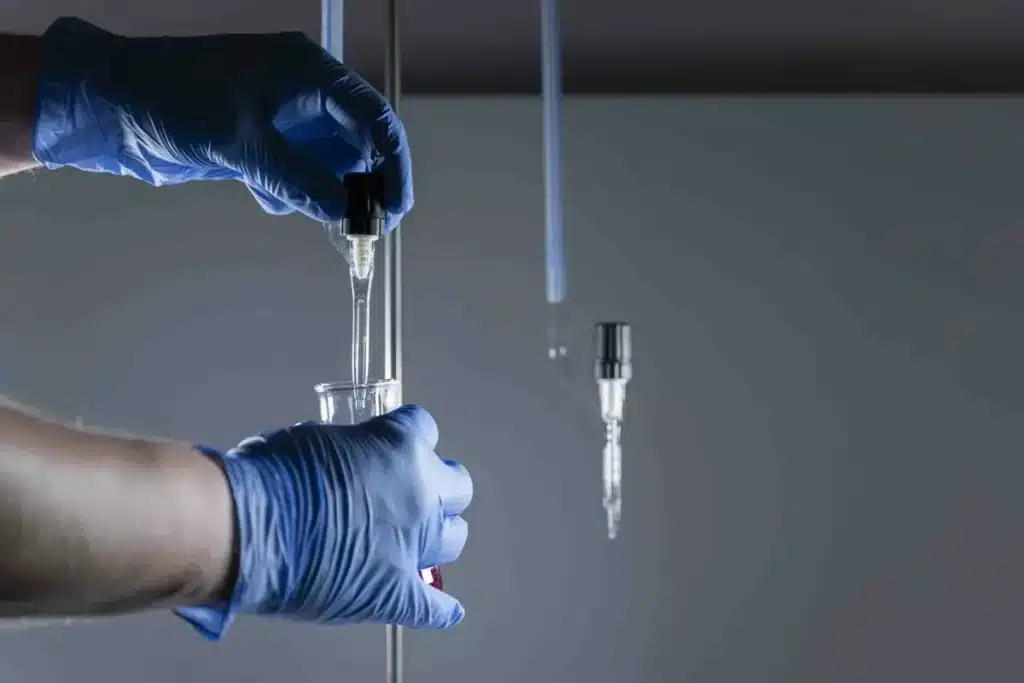
Nestled at the southernmost tip of Staten Island, Tottenville is a community defined by its coastal beauty and historic charm. As of May 2026, it is also becoming a benchmark for modern residential water safety, with more homeowners seeking certified home water testing in NYC to identify contaminants like lead, bacteria, and chemicals through professional laboratory analysis that delivers accurate results within days, helping families make informed decisions about filtration systems, plumbing upgrades, or remediation steps needed to protect their health. While the neighborhood is famous for its Living Breakwaters and coastal resiliency projects, a quieter revolution is happening inside its homes. Driven by updated New York State health guidance and the city’s evolving infrastructure, Tottenville residents are increasingly turning to water testing to verify that their tap water meets the highest possible standards.
In 2026, “clean enough” is no longer the metric for success. For the families living in this seaside enclave, stronger benchmarks are providing a new level of protection against both legacy contaminants and emerging environmental risks.
The 2026 Shift in Water Quality Reporting
This year, the New York State Department of Health released updated guidance for Annual Water Quality Reports (AWQR), placing a heavier emphasis on transparency for residential consumers. For Tottenville, where many homes have seen significant investment in recent years, these benchmarks provide the “intelligence” needed to maintain property value and health.
The updated 2026 benchmarks focus on:
- Stricter Turbidity Standards: Turbidity (cloudiness) is now monitored even more closely as a leading indicator of filtration effectiveness. High turbidity can shield bacteria from chlorine, making it a critical metric for water quality issues in coastal areas.
- Enhanced Emerging Contaminant Monitoring: As the New York State Drinking Water Quality Council continues its work through Summer 2026, notification levels for “forever chemicals” (PFAS/PFOS) have become standard parts of professional water testing services.
Resiliency and the “New” Infrastructure
Tottenville has recently seen over $50 million in infrastructure investment, including the transformation of Mill Creek into a “Bluebelt” and the replacement of miles of aging cast-iron pipes with resilient, concrete-lined ductile iron mains. While these upgrades significantly reduce the risk of water main breaks, they also create a “transition period” for residential plumbing.
When new mains are connected to older Staten Island properties, the change in pressure and flow can temporarily disturb the internal scale of a home’s pipes. Residents in the South Shore have found that baseline testing is essential after major neighborhood utility work to ensure that no sediment or metallic traces have been jarred loose during the upgrade process.
Why Coastal Benchmarks Matter in Tottenville
Being a coastal community, Tottenville faces unique environmental pressures. The high water table and proximity to the Arthur Kill mean that groundwater conditions are dynamic. For the few remaining homes with private wells or those in low-lying locations, the interaction between soil moisture and aging service lines is a constant factor.
Professional water analysis in these areas goes beyond a simple lead check. It includes:
- Corrosion Inhibitor Levels: Ensuring that the city’s treatment chemicals are reaching the “end of the line” in Tottenville at effective concentrations.
- Bacterial Baseline: Verifying that the 24/7 humidity of the South Shore isn’t impacting the safety of internal storage tanks or filtration systems.
The Role of Professional Audits in 2026
With the city reporting a 14% increase in “taste and odor” complaints in early Fiscal 2026, many Tottenville homeowners are realizing that sensory checks aren’t enough. While taste and odor usually don’t indicate a safety risk, they are often the catalyst for a more serious investigation.
A professional audit provides a “Potability Panel” that allows homeowners to compare their results directly against the newest 2026 state guidelines. For families, this is more than just data it’s a certification of safety. You can find more about these specific protocols in our FAQ or browse our blog for deep dives into the latest New York State health reports.
Conclusion
Tottenville is leading the way in showing how a community can embrace both its history and its future. By taking advantage of stronger water quality benchmarks and proactive testing, residents are ensuring that their homes remain the safe, high-value havens they were intended to be.
Whether you are in a Victorian landmark or a newly constructed coastal home, knowing your water’s chemical and biological profile is a hallmark of modern homeownership. To establish your home’s 2026 baseline, contact our specialists for a comprehensive analysis. In the quiet streets of Tottenville, peace of mind starts at the tap.