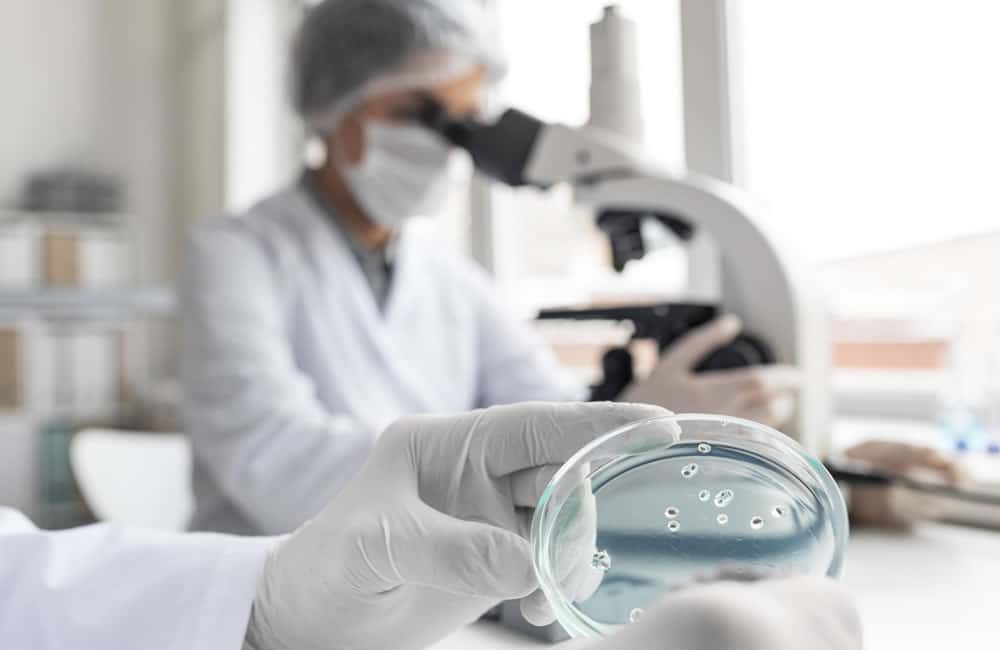
For decades, Staten Island has been affectionately known as the “borough of parks,” a place where New York City’s suburban character remains most intact. From the historic homes of Richmondtown to the seaside communities of Tottenville and the bustling streets of St. George, residents take immense pride in their properties and the health of their families. However, a significant shift is happening beneath the surface of these households as homeowners increasingly turn to professional water testing services in NYC, which involve certified laboratories analyzing tap water samples for contaminants like lead, bacteria, chlorine, and heavy metals through advanced detection methods, providing detailed reports that help families make informed decisions about filtration systems, protect their plumbing infrastructure from corrosive elements, and ensure safe drinking water rather than relying on simple DIY filter pitchers that offer limited protection and no verified results.
As we move through 2026, the awareness regarding what is actually coming out of the tap has shifted. It is no longer just about the taste of the water; it is about the complex chemical and biological profile of the “last mile” of infrastructure—the pipes that connect the city mains to your kitchen sink.
Why Staten Island Residents Are Seeking Professional Audits
New York City’s water supply is often cited as some of the highest-quality municipal water in the world. Sourced from the Catskill, Delaware, and Croton watersheds, it undergoes rigorous treatment before it ever reaches the city limits. However, the journey from upstate reservoirs to a home in Great Kills or Westerleigh is a long one.
The primary driver behind the surge in water testing is the recognition that even the best water can be compromised by the pipes it travels through. Many Staten Island neighborhoods feature a mix of aging infrastructure and rapid new development, both of which present unique challenges for water quality.
Addressing the Legacy of Lead and Copper
In older Staten Island properties, particularly those built before the 1986 lead ban, there is a lingering concern regarding lead solder and brass fixtures. While the city treats water to be non-corrosive, any period of stagnation—such as water sitting in pipes overnight—can allow metals to leach into the supply. Professional analysis provides a definitive answer that a simple visual inspection cannot offer.
Understanding Local Infrastructure Stress
As the borough continues to grow, the demand on the local grid increases. Construction projects, water main repairs, and shifting pressures can dislodge sediment and “scale” from the inside of older pipes. Residents have noticed that occasional cloudiness or a metallic tang in their water isn’t just a nuisance; it’s an indicator that their internal water testing services need to be evaluated to ensure filtration systems are sized correctly for the actual contaminant load.
The Difference Between “DIY” and Professional Analysis
With the rise of “smart home” technology, many residents have tried at-home testing kits purchased from big-box stores. While these can provide a very basic baseline, they often fall short of the precision required for true peace of mind.
Professional testing offers a “Potability Panel”—a comprehensive look at the water’s health that includes:
- Precise Lab Quantification: Unlike a color-changing strip that gives a “range,” lab analysis provides exact parts-per-billion (ppb) data.
- Microbiological Screening: Identifying coliform bacteria or other pathogens that may be present if there is a breach in a local line.
- Chemical Balance: Measuring pH, alkalinity, and hardness, which are critical for preventing the “pitting” of expensive tankless water heaters and modern appliances.
For many families, visiting a FAQ page helps clarify why these professional standards are necessary, especially when dealing with the health of children or the elderly.
Environmental Factors Unique to the Borough
Staten Island’s geography also plays a role in the local water conversation. Being an island with significant coastal exposure and a high water table in certain locations, the interaction between ground conditions and aging service lines is a constant factor.
The Impact of Private Wells
While the vast majority of the borough is on the municipal system, there are still pockets of properties, particularly in older or more secluded areas, that utilize private wells. For these homeowners, the burden of safety falls entirely on the resident. Regular professional testing is the only way to monitor for nitrate runoff or naturally occurring minerals that can seep into the groundwater.
Emerging Contaminants and Public Awareness
In recent years, the conversation around water quality issues has expanded to include “forever chemicals” (PFAS/PFOS) and microplastics. As the Environmental Protection Agency (EPA) continues to update its health advisories, Staten Islanders are becoming more proactive. They want to know not just if their water was safe five years ago, but if it meets the rigorous standards being established today.
Protecting Property Value and Home Longevity
Beyond health, there is a significant financial component to the rise in professional testing. The modern Staten Island home is filled with water-dependent technology. From high-end refrigerators with built-in ice makers to elaborate multi-head shower systems, the “mechanical health” of the home depends on the water quality.
- Preventing Scale Buildup: Hard water can cut the lifespan of a dishwasher or boiler in half. By identifying mineral content early, homeowners can install targeted softening systems that save thousands in repair costs.
- Real Estate Transactions: Many buyers are now requesting water quality reports as part of the home inspection process. Having a professional certification on hand can be a major selling point in a competitive market.
A Neighborhood-by-Neighborhood Approach
The “traction” of water testing isn’t uniform; it varies by the specific needs of the community.
- In North Shore neighborhoods like New Brighton, where the housing stock is older, the focus is often on heavy metal detection.
- In the South Shore, where there are many newer builds, the focus shifts toward chemical balance and the efficiency of point-of-use filtration systems.
Residents are increasingly turning to the blog of local experts to stay updated on neighborhood-specific water main breaks or localized alerts from the Department of Environmental Protection (DEP).
The Path to Water Security
Professional water testing is no longer seen as an “extra” service; it is becoming a standard part of responsible homeownership on the island. The peace of mind that comes from knowing exactly what your family is drinking, bathing in, and cooking with is invaluable.
The process is straightforward:
- Site Assessment: A technician identifies the best sampling points (usually the water entry point and the primary kitchen tap).
- Standardized Collection: Using sterile containers to ensure no external contamination affects the results.
- Certified Lab Review: Analyzing the samples against both NYC and federal safety standards.
- Actionable Reporting: Providing a clear roadmap for any necessary filtration or plumbing repairs.
Conclusion
As Staten Island continues to evolve, the community’s commitment to health and safety remains steadfast. The move toward professional water testing is a reflection of a well-informed public that understands the value of data over guesswork. Whether you live in a colonial-style home in the hills or a modern condo by the water, the quality of your water is a foundational element of your quality of life.
If you haven’t had your water analyzed recently, now is the time to establish a baseline. You can contact a local specialist to discuss your specific concerns or to schedule an audit. In the “Borough of Parks,” let’s make sure the water is as clean and fresh as the green spaces we love. Monitoring your water is more than a maintenance task—it’s a commitment to the long-term well-being of the place you call home.